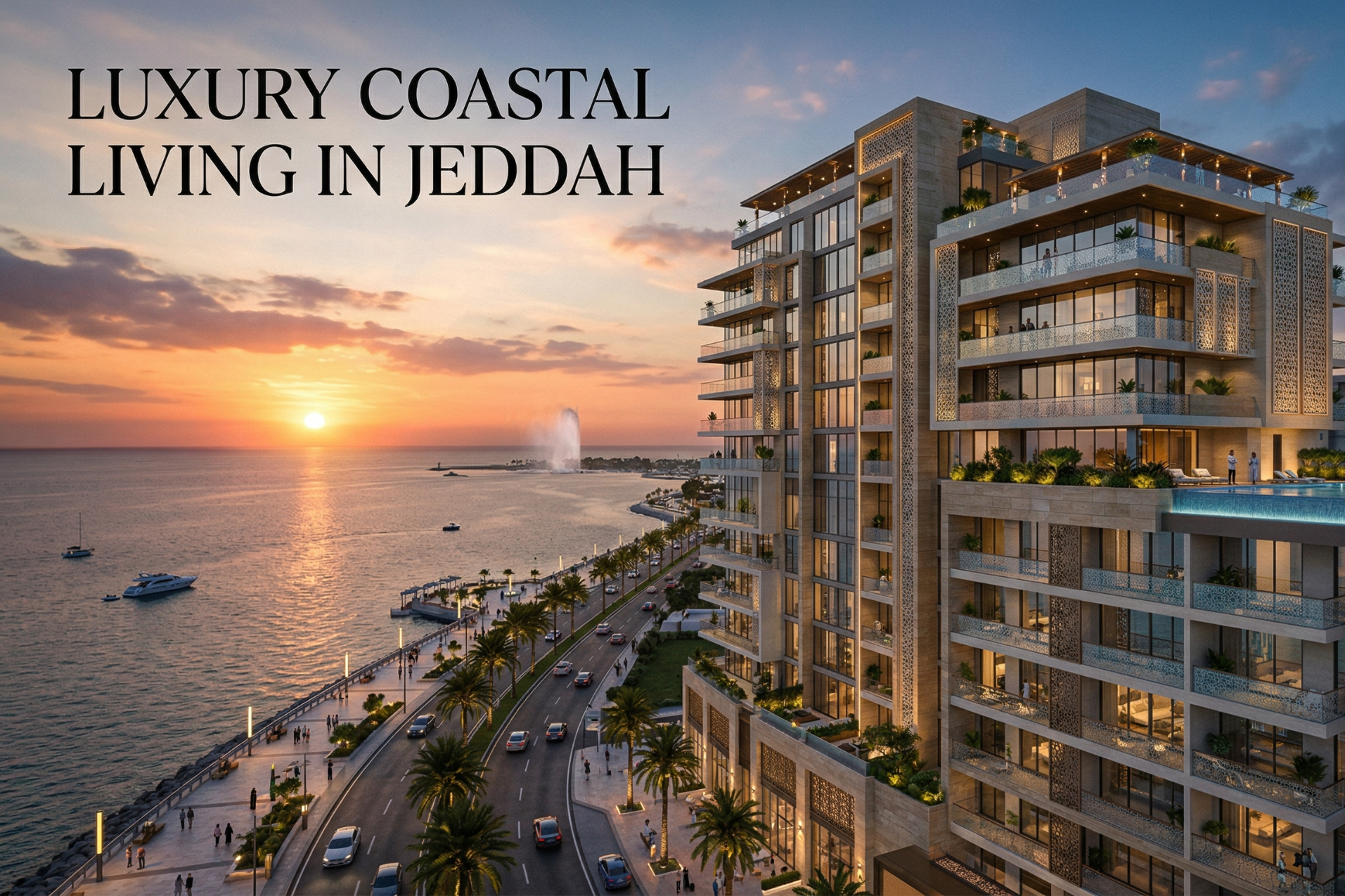
Saudi Arabia has introduced a major reform in its real estate sector. As of January 2026, foreign nationals — including expats, overseas investors, and international buyers — can now own property in designated zones across the Kingdom, including parts of Jeddah.
If you are living in Jeddah, planning to relocate, or looking to invest in one of the Gulf’s most promising real estate markets, this guide covers the essential details: the new law, eligibility, permitted areas, costs, and how to get started.
The Big News: Saudi Arabia’s New Property Ownership Law (2026)
On 14 July 2025, the Council of Ministers approved the Law of Real Estate Ownership by Non-Saudis under Royal Decree No. M/14. The law was published in the Official Gazette on 25 July 2025 and came into force on 21 January 2026, replacing the previous 2000 framework.
This reform supports Saudi Vision 2030 by attracting global capital, diversifying the economy, and expanding the real estate market in cities like Jeddah, Riyadh, and others.
Can Foreigners Buy Property in Jeddah? The Short Answer
Yes — within REGA-designated geographic zones.
Foreign ownership is not permitted across the entire city. It is restricted to specific neighbourhoods and districts approved by the Council of Ministers on the recommendation of the Real Estate General Authority (REGA). The full list of approved zones continues to be refined, with further details expected throughout 2026.
Popular high-demand areas in Jeddah where foreign buyers are showing strong interest include:
- Al Shati (Corniche District) — prime waterfront living
- Al Hamra — a well-established residential area favoured by expats
- Al Rawdah — known for family-friendly communities
- North Obhur — a growing lifestyle destination along the Red Sea coast
These areas offer modern amenities, good infrastructure, and strong long-term demand. Always verify the latest REGA-approved zone status for any specific property before proceeding.
Who Is Eligible to Buy Property in Jeddah as a Foreigner?
The law is inclusive. Eligible buyers include:
- Foreign resident individuals (expats with a valid Iqama)
- Non-resident foreign individuals (overseas buyers, subject to additional verification)
- Foreign-incorporated companies
- Saudi companies with foreign shareholders
- Licensed investment funds and special-purpose vehicles (SPVs)
- Diplomatic missions and international organisations
There is no distinction based on nationality. Buyers from India, the UK, USA, Europe, Asia, or elsewhere are treated equally.
Note: Expats with a valid Iqama generally enjoy a smoother process, including easier access to banking and mortgages. Non-residents can buy but must complete identity verification, often through a Saudi diplomatic mission.
What Can Foreigners Buy in Jeddah?
As of 2026, foreign buyers in approved zones can purchase:
- Apartments
- Villas
- Duplexes
- Townhouses
- Penthouses
- Units in residential compounds
Off-plan properties are permitted if located in approved zones. The framework also supports digital fractional ownership (tokenized stakes), allowing remote investment in select projects. Foreign buyers can additionally invest in shares of major mega-projects such as NEOM, Qiddiya, and Red Sea Global.
Where Are the Restrictions? What Expats Cannot Do
- Ownership is limited to REGA-designated zones The full Geographic Scope Document is being finalized and published progressively. Always confirm zone eligibility — this is the most important legal requirement.
- Jeddah has designated zones While Jeddah is one of the more accessible cities for foreign investment due to its commercial and cosmopolitan nature, ownership remains zone-specific (not city-wide).
- Makkah and Madinah These holy cities have stricter rules. Non-Muslim foreigners are generally prohibited from owning property there. Muslim expatriates may purchase in designated zones, subject to specific conditions and approvals.
- One property outside designated zones Foreign residents (with Iqama) may own one residential property outside approved zones for personal use (excluding Makkah and Madinah).
Step-by-Step: How to Buy Property in Jeddah as a Foreigner
- Confirm Zone Eligibility — Verify the property is in a REGA-approved zone (most critical first step).
- Check Your Eligibility — Determine if you are buying as a resident (Iqama) or non-resident.
- Prepare Documents — Valid passport, Iqama (if resident), proof of funds or mortgage pre-approval, sale agreement, and zone confirmation.
- Obtain Required Permits — Additional approvals from REGA or relevant authorities may apply depending on the zone and property type.
- Complete the Transaction — Use official digital platforms such as Najiz and the ZATCA portal. A digital identity is required.
- Register Ownership — Final registration in the National Real Estate Registry is mandatory. Unregistered ownership has no legal standing.
Costs and Fees: What to Budget For
Foreign buyers should plan for the following:
- Real Estate Transfer Tax (RETT): 5% of property value (payable by the buyer)
- Additional Foreign Ownership/Transaction Fee: Up to 5% (applies to transfers involving non-Saudis)
- Combined government fees: Can reach up to 10% in total for qualifying transactions
Saudi nationals pay lower overall fees. Other costs may include agent commissions (typically 2–3%), legal fees, and registration charges. Always clarify fee allocation in the sale agreement.
Mortgage Rates for Expats in Jeddah (2026)
Qualified expatriate residents (with Iqama and salary transfer) can access competitive mortgage (or financing) rates. As of early 2026, rates for eligible buyers typically range from 4.1% to around 6–7%, depending on the bank, loan term, down payment, and credit profile. Non-residents usually face more limited financing options and may need to proceed with cash purchases or developer payment plans.
Tax Considerations
Residential rental income for individual owners is generally not subject to personal income tax in Saudi Arabia. VAT on residential leasing is typically exempt, making buy-to-let investments in Jeddah potentially attractive.
Does Buying Property in Jeddah Grant Residency?
No, purchasing property does not automatically grant residency or citizenship.
However, under the Premium Residency (Saudi Green Card) programme, owning a mortgage-free residential property valued at SAR 4 million or more (approx. USD 1.07 million) can qualify you for Real Estate Owner Residency. This provides long-term residency without employer sponsorship.
Why Jeddah? Why Now?
Jeddah combines commercial strength, cultural heritage, and coastal lifestyle. As Saudi Arabia’s largest Red Sea port city with over 4 million residents, it offers a dynamic environment for both living and investing.
Key highlights in 2026:
- Steady transaction growth and moderate price appreciation
- Major projects like Jeddah Central transforming the waterfront
- Hosting of World Expo 2030 and the 2034 FIFA World Cup, boosting long-term demand
- Strong non-oil economic growth supporting the real estate sector
- Vibrant dining, entertainment, and Red Sea lifestyle appeal
How Basri Developments Can Help
At Basri Developments, we believe exceptional living should be accessible to everyone who chooses Jeddah. Our portfolio of premium villas, apartments, and luxury residences blends Saudi cultural richness with modern standards.
As the market opens to international buyers, our experienced team can guide expats and foreign investors through zone verification, documentation, and official registration processes.
Our projects, like Al-Ezz Towers, & Jidia Towers embodies our philosophy: Rooted in Culture. Built for the Future.
Whether you are looking to buy, rent, or explore investment options, we are here to help you find your ideal property in Saudi Arabia.
Contact Basri Developments now — your Saudi Arabia property journey starts here.
Basri Developments — Curating premium real estate opportunities in Saudi Arabia since Vision 2030 began shaping the future.
Frequently Asked Questions (FAQs)
The law treats all nationalities equally, provided they meet the eligibility requirements and the property is located within a REGA-approved zone.
Not necessarily. Non-residents can verify their identity through a Saudi diplomatic mission (embassy or consulate) in their home country and complete many steps remotely via official digital platforms. Digital fractional ownership can also be purchased entirely online.
Yes, off-plan purchases are allowed as long as the project is located in an approved REGA zone and meets all registration requirements upon completion.
Penalties are severe and can include fines of up to SAR 10 million, confiscation of the property, and public auction. Always ensure all documents and declarations are accurate.
Residential rental income for individual foreign owners is generally not subject to personal income tax in Saudi Arabia. VAT on residential leasing is typically exempt, which makes buy-to-let investments attractive
Yes. Foreign companies, licensed investment funds, and special-purpose vehicles (SPVs) can acquire property in approved zones for business use, staff housing, or investment.
Resale is generally allowed after registration, but some zones may have holding periods or additional approvals. Always check the specific rules for the zone and consult a REGA-registered advisor.
Foreign buyers typically pay 5% Real Estate Transfer Tax (RETT) plus an additional transaction fee of up to 5% for non-Saudi ownership. Combined government fees can reach up to 10%. Other costs include agent fees (2-3%) and legal/registration charges.