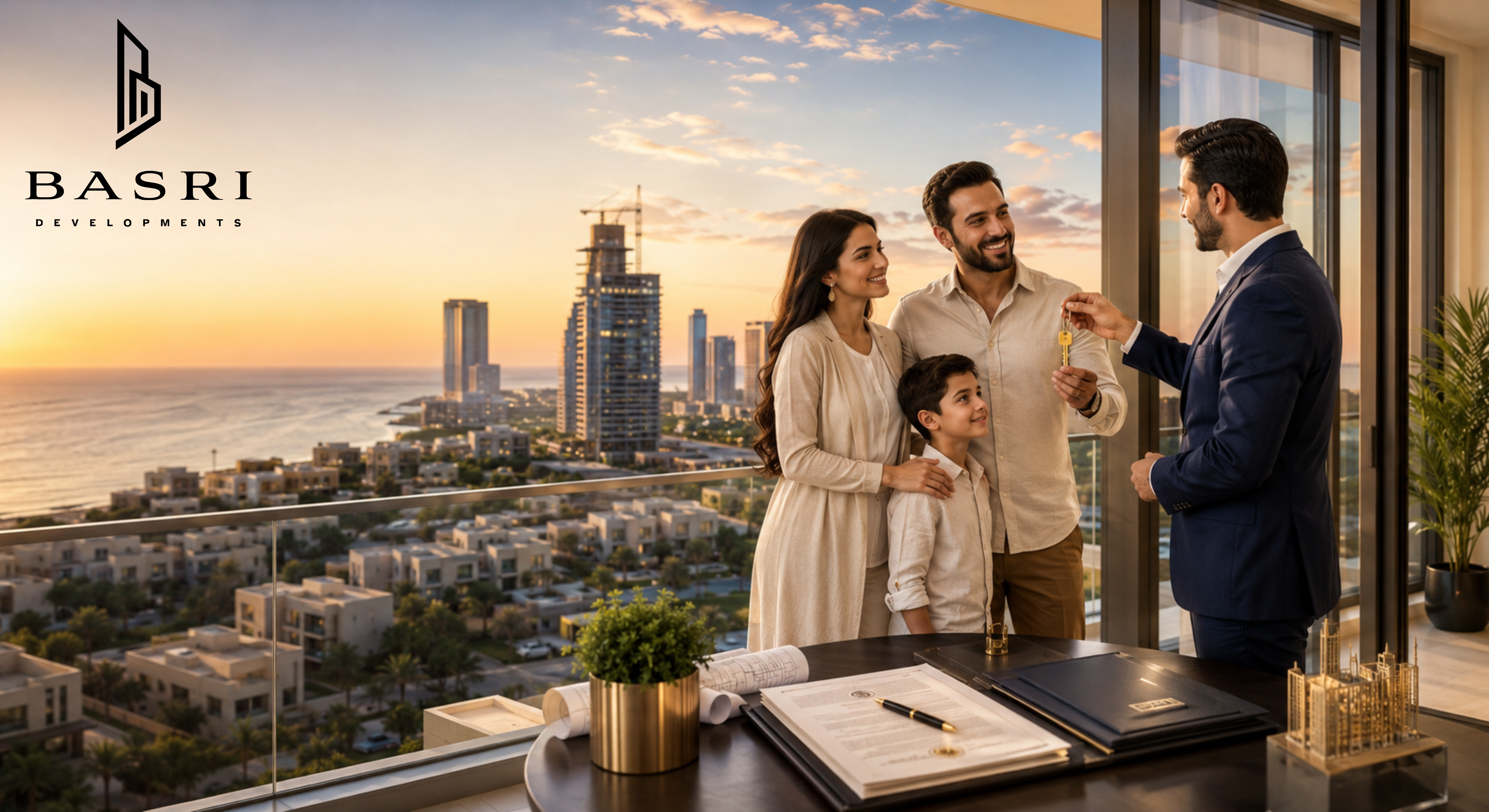
Saudi Arabia’s real estate market has become increasingly accessible to foreign buyers, making Jeddah one of the most attractive cities for expats and international investors looking to own property.
However, while purchasing property has become more accessible, financing that purchase is often the bigger challenge.
Many guides explain that foreigners can buy property in Saudi Arabia, but very few explain how mortgages actually work for non-Saudis.
If you’re planning to buy an apartment or villa in Jeddah, this guide explains:
- Who can qualify for a mortgage
- Resident vs. non-resident financing
- Expected down payments
- Mortgage profit rates
- Banks that offer home financing
- Developer payment plans
- Costs you should budget for before buying
Whether you’re an expat already living in Saudi Arabia or an overseas investor exploring opportunities, this guide will help you understand your financing options.
Disclaimer: This article is for general informational purposes only and should not be considered financial or legal advice. Mortgage products, eligibility requirements, and financing terms may change. Always confirm the latest information directly with your bank or a qualified financial adviser.
Can Foreigners Get a Mortgage in Jeddah?
Yes—but eligibility depends largely on your residency status.
Foreign residents with a valid Iqama, stable income, and an established credit profile generally have access to home financing from several Saudi banks.
For overseas buyers who do not live in Saudi Arabia, traditional bank mortgages are currently more limited. In many cases, developer payment plans or cash purchases are the more practical financing route.
Understanding which category you fall into is the first step before comparing mortgage offers.
Resident vs. Non-Resident Buyers
Foreign Residents (Iqama Holders)
If you live and work in Saudi Arabia and receive a regular salary, you may qualify for home financing through several banks.
Many lenders typically look for:
- Valid Iqama
- Stable employment
- Salary transfer to the lending bank
- Good credit history
- Acceptable debt-to-income ratio
Foreign residents usually have the widest choice of mortgage products.
Overseas Buyers
If you’re purchasing property while living outside Saudi Arabia, financing options are generally more limited.
Because local banks often assess income earned within Saudi Arabia and may require a local salary relationship, many overseas buyers instead choose:
- Cash purchases
- Flexible developer payment plans
- Alternative financing arrangements (where available)
As lending policies continue to evolve, it’s worth checking with banks for the latest eligibility criteria.
How Much Down Payment Should Foreign Buyers Expect?
One of the biggest surprises for first-time buyers is the amount required upfront.
While Saudi regulations have historically allowed higher loan-to-value ratios for certain eligible Saudi homebuyers, foreign buyers often face different lending conditions.
Depending on the lender, property type, and borrower profile, foreign applicants may be asked to provide a larger down payment than local buyers.
As a practical example, if you’re considering a property valued at SAR 1.5 million, you’ll also need to budget for your down payment, transaction costs, and other purchase-related fees—not just the property’s advertised price.
The exact amount varies by lender, so obtaining a pre-approval before beginning your property search is highly recommended.
What Are Mortgage Profit Rates in 2026?
Saudi home financing is generally structured using Shariah-compliant financing models, such as Murabaha or Ijara, rather than conventional interest-based mortgages.
In practice, the overall financing cost depends on factors such as:
- Your residency status
- Income level
- Employer profile
- Loan amount
- Financing term
- Whether your salary is transferred to the lending bank
Comparing offers from multiple lenders can help you secure more favorable financing terms.
Banks That Offer Home Financing to Expats
Several Saudi banks provide home financing products for eligible expatriates, subject to their individual lending policies.
Common options include:
| Bank | Typical Features |
|---|---|
| Al Rajhi Bank | Shariah-compliant financing with products for eligible expats |
| Saudi Awwal Bank (SAB) | Home finance options for qualifying residents, often with salary transfer |
| Saudi National Bank (SNB) | Broad retail network and financing products for eligible customers |
| Riyad Bank | Home financing with eligibility requirements that vary by applicant |
| Emirates NBD Saudi Arabia | Financing options for selected expatriate profiles |
What Can Affect Mortgage Approval?
Banks typically assess several factors before approving a mortgage application.
These may include:
- Monthly income
- Employment stability
- Existing financial commitments
- Credit history
- Debt-to-income ratio
- Age
- Property valuation
Improving your financial profile before applying may increase your chances of approval.
Additional Costs to Budget For
When buying property in Jeddah, your mortgage is only one part of the overall cost.
Depending on the transaction and applicable regulations, buyers may also need to budget for:
- Real estate transaction taxes or applicable government charges
- Registration or documentation costs
- Property valuation fees
- Mortgage arrangement fees (where applicable)
- Legal or professional service fees
Understanding these additional costs early can help you plan your budget more accurately.
Developer Payment Plans: An Alternative to Traditional Mortgages
For buyers who don’t qualify for a conventional bank mortgage, developer payment plans can provide greater flexibility.
Instead of borrowing from a bank, buyers make payments directly to the developer according to an agreed schedule, which may be linked to construction milestones or project completion.
This option can be particularly attractive for overseas buyers who may not yet meet bank lending requirements.
Basri Real Estate connects eligible buyers with flexible developer payment plans across selected projects in Jeddah, helping you secure a property while spreading payments over time.
Tips Before Applying for a Mortgage
Before submitting an application:
- Review your credit profile.
- Reduce existing debt where possible.
- Save for your down payment and related costs.
- Compare financing offers from multiple lenders.
- Obtain pre-approval before choosing a property.
- Understand all repayment obligations and fees.
Preparation can improve your financing options and make the buying process smoother.
Contact Basri Developments now — your Saudi Arabia property journey starts here.
Frequently Asked Questions (FAQs)
A mortgage is provided by a financial institution and typically requires meeting lending criteria. Developer financing allows buyers to pay the developer directly under an agreed payment schedule, which may be available even when traditional bank financing is not.
Many traditional mortgage products are designed for residents with a valid Iqama and documented income in Saudi Arabia. Non-resident buyers may have fewer financing options and often explore developer payment plans.
Although requirements vary between lenders, applicants are commonly asked to provide:
- A valid passport and Iqama (for residents)
- Salary certificate
- Bank statements
- Employment confirmation
- Credit history (where applicable)
- Property details and valuation documents
Yes. Most home financing in Saudi Arabia follows Shariah-compliant structures such as Murabaha or Ijara. Eligible expatriates can access these financing options through participating banks, subject to their lending criteria.
Yes. Many developers offer flexible payment plans for off-plan projects, allowing buyers to pay in stages rather than arranging a traditional mortgage. This option can be particularly attractive for overseas investors or buyers who do not currently qualify for bank financing.
Have a question? Our team will get back to you shortly.
Share a few details and a Basri advisor will reach out to discuss your needs.